Explore our CE-compliant, high-performance cosmetic containers engineered for precision dispensing and optimal product compatibility.
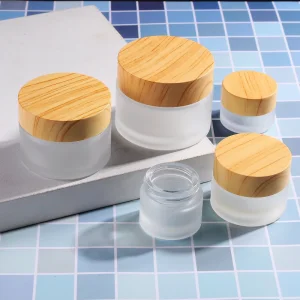
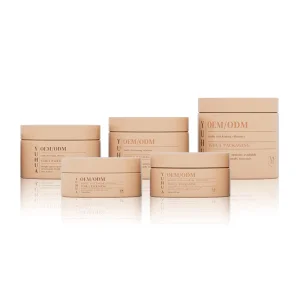
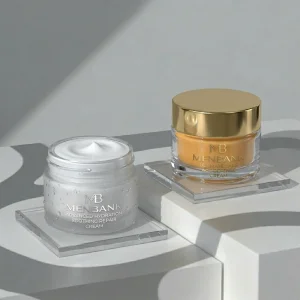
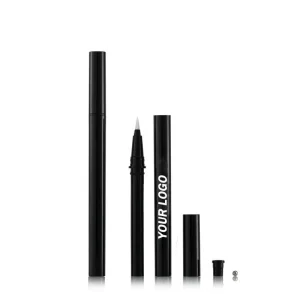
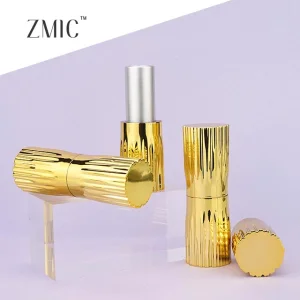
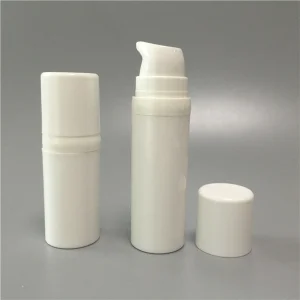
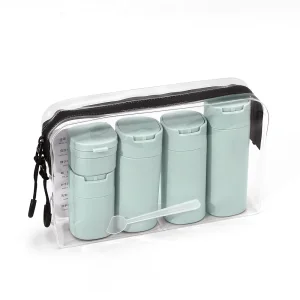
The structural intersection of international logistics, chemical compatibility, and compliance in cosmetic packaging.
The global packaging sector for cosmetics, pharmaceuticals, and personal care products has transitioned from simple containment vessel manufacturing into a high-precision, material-scientific discipline. Valued at over USD 33 billion, the international cosmetics container industry is driven by complex consumer preferences, rigorous supply chain timelines, and strict regulatory standards. Modern brands no longer simply purchase stock bottles; they engineer product delivery systems that protect the chemical integrity of active formulations while delivering premium, sensory-focused tactile experiences to consumers.
Within this commercial landscape, manufacturing hubs in East Asia—predominantly located in the industrial clusters of Zhejiang, China—have established unprecedented leadership. By integrating upstream raw material synthesis, precision mold design, advanced surface finishing, and unified quality assurance protocols under single manufacturing ecosystems, exporters can deliver highly customizable options at economies of scale. However, the modern exporter must possess more than basic injection-molding assets. Succeeding in highly regulated markets such as the European Union and North America requires rigorous conformity, validated through recognized certifications such as the CE mark and compliance with European Parliament Directive 94/62/EC (Packaging and Packaging Waste).
Exporters must guarantee that materials do not migrate harmful substances into cosmetic formulations. Compliance testing, including chemical leaching and SVHC (Substances of Very High Concern) evaluation under REACH, is crucial for entering western markets.
Selecting appropriate resins (such as PET, PETG, PP, PMMA) or borosilicate glass is critical. Compatibility testing ensures that complex emulsifiers, retinoids, and high-percentage vitamin C formulations do not degrade the package wall.
Global brands require rapid prototyping, scalable high-volume output, and reliable lead times. Transitioning from CAD concepts to functional, pilot-run injection molds must be accomplished in weeks rather than months.
A comparative engineering overview of the materials utilized in CE-compliant bottle and jar production.
Choosing the correct packaging material requires balancing chemical compatibility, mechanical properties, aesthetic appeal, and sustainability goals. Different packaging materials present distinct profiles for gas barrier performance, mechanical strength, and chemical resistance. For instance, PMMA (Acrylic) delivers a luxurious, high-clarity appearance but exhibits poor resistance to highly polar solvents and organic esters. Conversely, PETG offers outstanding chemical durability and impact resistance but is softer and more prone to surface scratching. Our engineering teams assist brands in navigating these compromises using rigorous testing methodologies.
| Material Class | Common Applications | Oxygen Barrier (OTR) | Chemical Resistance | Recyclability Code | Key Performance Limit |
|---|---|---|---|---|---|
| PET (Polyethylene Terephthalate) | Toner Bottles, Body Lotions, Clear Jars | Excellent | Good (sensitive to strong bases) | 1 (Highly Recyclable) | Max service temperature < 60°C |
| PETG (Glycol-Modified PET) | Thick-walled Perfume & Serum Bottles | Good | Excellent (enhanced solvent resistance) | 7 (Other) | Lower surface scratch resistance |
| PP (Polypropylene) | Cream Jar Inner Cups, Dispenser Valves, Screw Caps | Moderate | Outstanding (Acids, Bases, Alcohols) | 5 (Recyclable) | Translucent rather than glass-like clarity |
| PMMA (Acrylic) | Double-walled Luxury Jars, Prestige Bottles | Moderate | Poor to Fair (cracks with high alcohol content) | 7 (Other) | Prone to stress cracking under internal pressure |
| Type III Soda-Lime Glass | Serum Dropper Bottles, Essential Oil Vials | Impermeable | Superior (Inert) | 70 (Infinite Lifecycle) | Brittle material, high transport weight footprint |
Anticipating regulatory updates, sustainable polymers, and smart tracking mechanisms in premium container design.
The cosmetic packaging industry is undergoing a structural transition driven by global sustainability mandates and smart technology integration. Over the next five years, the roadmap for CE-certified packaging will focus on three key pillars: Monomaterial Engineering, Post-Consumer Recycled (PCR) Integration, and Interactive Smart Packaging.
Historically, complex dispensing pumps utilized multi-material components, blending metal springs (stainless steel), PE dip tubes, PP actuator buttons, and POM housings. This design made mechanical recycling practically impossible. By engineering monomaterial systems—where the entire dispensing pump is manufactured from a single polyolefin class (such as all-PP or all-PE)—manufacturers ensure the package can be shredded and remolded without manual disassembly. In this setup, metal springs are replaced by elastomeric polyolefin bellows, satisfying recyclability mandates while maintaining functional rebound characteristics.
Incorporating Post-Consumer Recycled plastics into cosmetic-grade packaging presents several challenges. These include mechanical property degradation, color tint variability, and potential chemical outgassing that can alter product scents. Our technical roadmap addresses these challenges through advanced chemical recycling (depolymerization) and physical degassing techniques. This allows for up to 50% to 100% PCR integration in non-food contact bottles without compromising physical strength or product aroma stability.
As brands prioritize supply chain visibility and anti-counterfeiting, integrating passive RFID and NFC microchips directly into container walls or cap assemblies is becoming standard practice. This technology allows for tracking from the raw material supplier to the final point of sale. It also enables consumers to verify product authenticity with a smartphone scan, establishing a direct connection between physical packaging and digital ecosystems.
How geographic regulations and environmental factors dictate packaging material selection.
Driven by strict PPWR (Packaging and Packaging Waste Regulation) mandates, European brands prioritize high-percentage PCR content, certified ocean-bound plastics, and lightweighted glass containers. Refillable glass jar systems with replaceable PP cups are highly favored to minimize resource consumption.
The US market demands high clarity and impact-resistant materials like heavy-walled PETG, satisfying prestige skincare requirements. Additionally, compliance with FDA food-contact standards is crucial for lip care products, alongside California Proposition 65 testing for heavy metals and phthalates.
Products shipped to high-humidity, high-temperature regions (such as Southeast Asia or Central America) require protective materials. High-barrier PETG or amber glass containers help prevent UV radiation, water vapor infiltration, and oxidation from degrading active botanical ingredients.
A premier Chinese skincare packaging manufacturer integrating precision engineering, custom design, and global compliance.
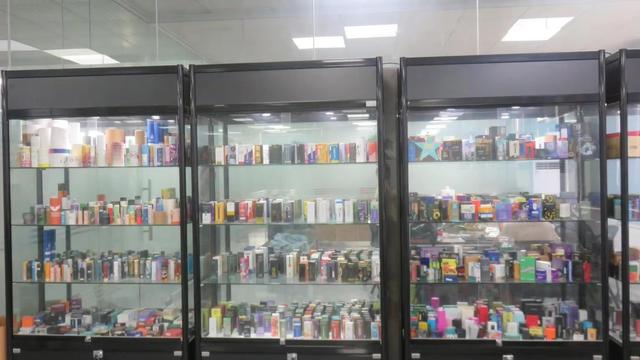
Hangzhou Ariqa Fashion Co., Ltd. is a professional China skincare packaging manufacturer specializing in cosmetic containers, beauty packaging, and customized packaging solutions for skincare, personal care, and cosmetic brands worldwide. With a strong focus on innovation, quality, and brand presentation, we help businesses create packaging that enhances product value and strengthens market competitiveness.
Our comprehensive product portfolio includes skincare packaging containers, cosmetic bottles, jars, airless packaging systems, lotion and serum packaging, beauty packaging accessories, travel-size packaging, and custom-designed packaging solutions. Serving both emerging brands and established global companies, we provide flexible packaging options tailored to different product formulations, branding requirements, and market positioning strategies.
At Ariqa Fashion, we understand that packaging plays a critical role in consumer purchasing decisions and brand recognition. Our experienced design and engineering teams work closely with customers to develop attractive, functional, and market-oriented packaging solutions. From concept development and structural design to decoration, labeling, printing, and final production, we provide complete packaging support throughout the product development process.
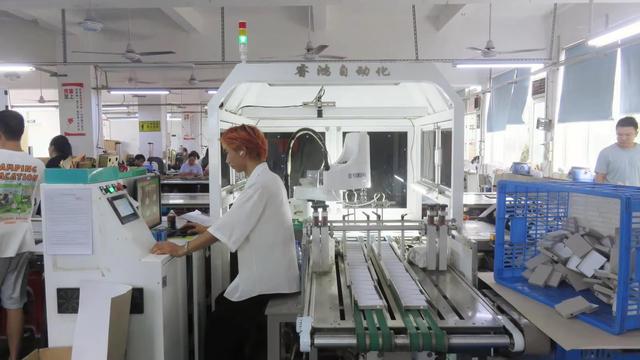
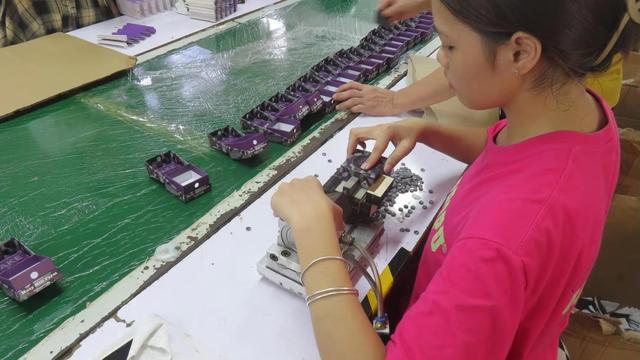
Our manufacturing operations are supported by advanced production equipment and strict quality management systems, ensuring consistent product quality, durability, and performance. We carefully select materials and production processes to meet international quality standards while supporting customers' sustainability goals through recyclable and environmentally conscious packaging options.
In addition to standard packaging products, we offer comprehensive OEM and ODM services, including custom molds, private label packaging, color matching, surface finishing, and branding solutions. Our flexible manufacturing capabilities enable us to accommodate both small-scale product launches and high-volume production requirements.
Serving clients across North America, Europe, Southeast Asia, the Middle East, and other international markets, Hangzhou Ariqa Fashion Co., Ltd. is committed to delivering innovative skincare packaging solutions, reliable service, competitive pricing, and long-term partnership value. Our mission is to help beauty and skincare brands succeed through premium packaging that combines aesthetics, functionality, and market appeal.

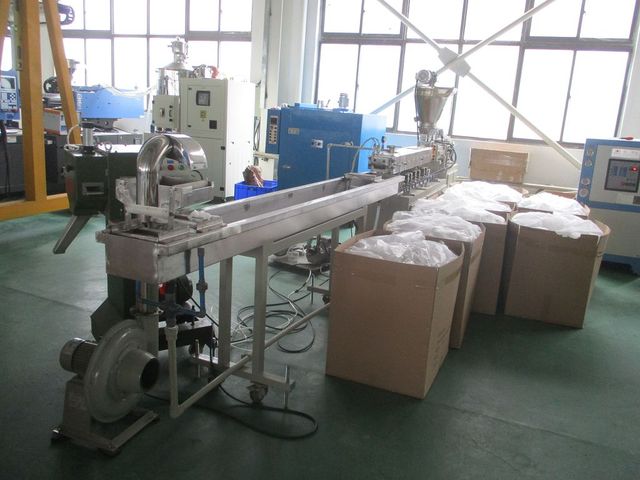
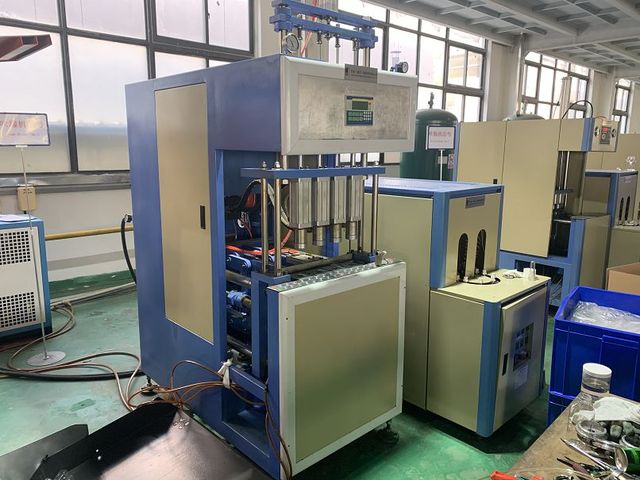
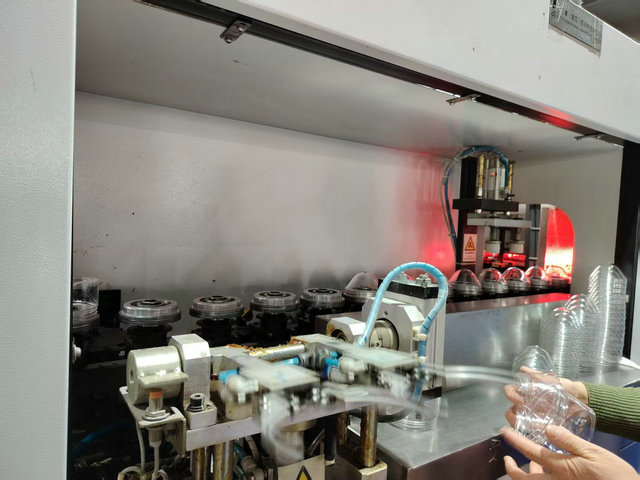
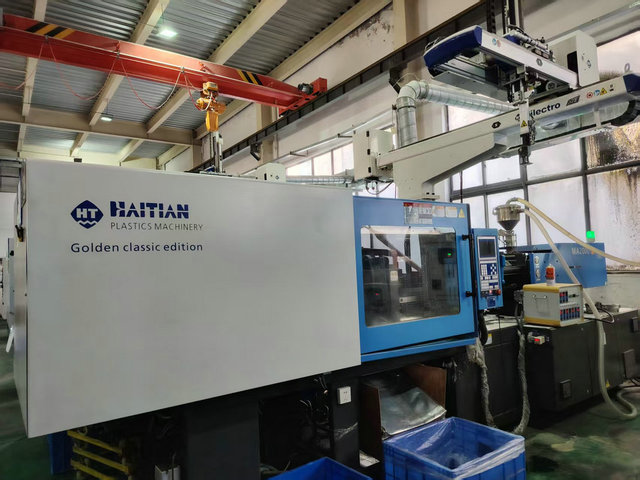
Optimizing risk mitigation, high-speed automated sorting, and cross-border transport packaging.
Successfully distributing thousands of glass or polymer cosmetic jars globally requires more than standard export containers. Industrial packaging strategies must account for transportation stresses, pressure fluctuations during air freight, and physical wear during bulk shipping. To prevent micro-cracks and scuffing, our logistics systems use cellular divider trays, shock-absorbing thermocol grids, and vacuum-sealed poly-foil wrapping. These measures keep structural components pristine and clean during transit.
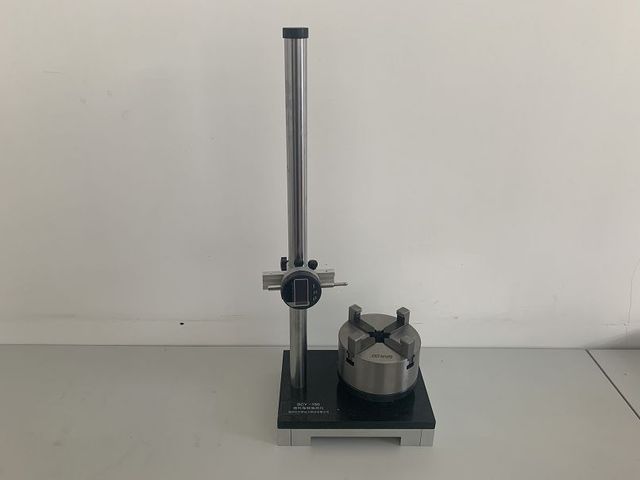
Additionally, our production plants employ in-line quality control technologies. High-resolution optical cameras scan components for micro-defects, molding flash, and particulates at rates of up to 300 items per minute. Any component showing a variation of more than 0.1mm from CAD specifications is pneumatically ejected. This keeps our batch defect rate below 0.05%, helping brands run smooth automated filling processes.
Key technical answers for brand procurement managers, supply chain leads, and packaging engineers.
Eco-conscious containers, customizable glass sets, and travel accessories for global beauty markets.
 Ariqa Fashion