What Is Premium Beauty Packaging and How to Create It?

Time:2026-09-13 Author:Madeline
0%

Premium beauty packaging is more than a heavy box or a glossy bottle. It is the physical expression of a brand’s promise. Before customers smell a serum or feel a cream, they touch its packaging. That moment shapes trust. It also shapes expectations.

Marc Rosen, a veteran luxury beauty packaging designer, once said, “Packaging is the silent ambassador of the brand.” His idea remains useful today. A premium package should communicate quality through proportion, texture, restraint, and consistent detail. Think of a cool glass jar, a precise pump, a soft-touch carton, and lettering that remains readable under bathroom lighting. These details create a sensory experience before product performance can speak.

This guide explores how to create premium beauty packaging with practical design decisions. It considers materials, structure, decoration, usability, sustainability, and production limits. Premium does not always mean excessive. Sometimes, a simpler design feels more expensive because every element has a clear purpose. A magnetic closure may impress, but it can also add unnecessary weight and waste. That contradiction deserves attention.

To understand how to create premium beauty packaging, teams need more than visual taste. They need consumer insight, technical knowledge, supplier communication, and careful testing. A beautiful prototype can fail when its pump leaks, its coating scratches, or its label wrinkles in humid conditions. Those failures are uncomfortable, yet valuable. They reveal where ambition needs refinement.

The strongest packaging balances emotion with evidence. It looks distinctive on a shelf, feels reliable in the hand, and performs consistently after purchase. This is where premium design becomes credible.
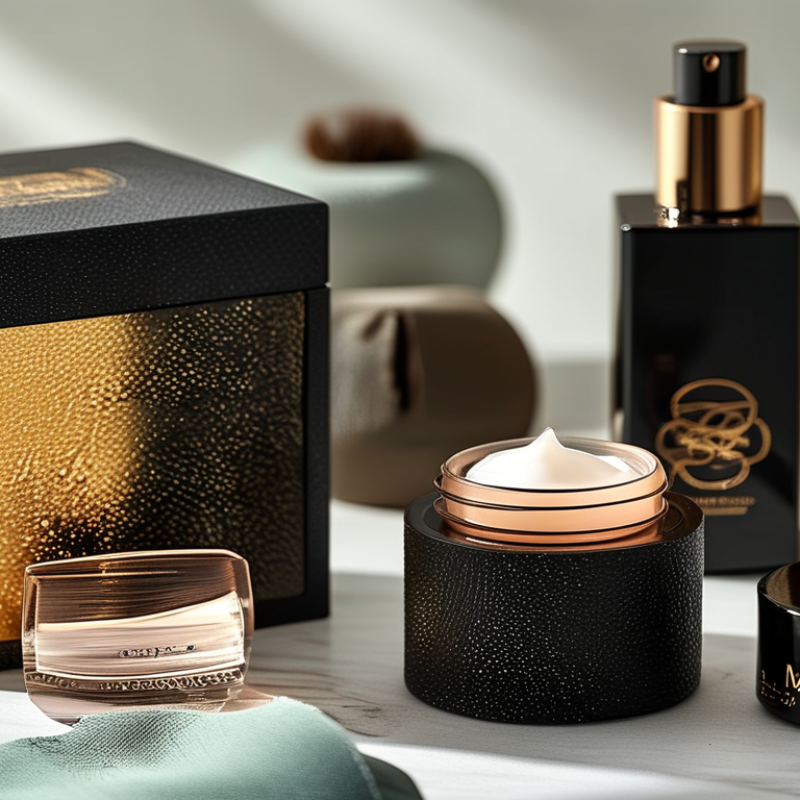
What Is Premium Beauty Packaging and How to Create It?

Definition and Core Features of Premium Beauty Packaging

Premium beauty packaging is the physical expression of product quality. It combines refined materials, precise construction, and a controlled sensory experience. A 30-milliliter glass bottle may feel substantial, yet it should open smoothly and fit securely in the hand. Premium does not simply mean heavy or expensive. It means every detail has a clear purpose.

Core features include clean geometry, consistent color, accurate printing, and durable closures. Soft-touch coatings can create warmth, while aluminum or glass can suggest permanence. However, decoration must not hide weak usability. Packaging engineers usually test drop resistance, leakage, torque, and label adhesion before production. The Ellen MacArthur Foundation reports that packaging uses about 40% of global plastic production. That figure makes material efficiency essential. McKinsey’s 2023 packaging research also found that 60–70% of consumers would pay more for sustainable packaging. Still, recyclable materials can feel less luxurious. That tension needs honest testing.

Tips: Start with the opening ritual. Measure grip, sound, weight, and closure effort. Reduce unnecessary layers before adding decoration. Request recycled-content and recyclability data from suppliers. Check whether local facilities can process the chosen material. A beautiful package may still fail there. Reconsider perfection, too. Small visual variations can reveal craftsmanship, but inconsistent seals suggest poor control. Use pilot runs, user interviews, and laboratory tests before approving the final structure.

What Is Premium Beauty Packaging and How to Create It? — Definition and Core Features of Premium Beauty Packaging
Dimension Definition and Role Core Features and Verifiable Considerations How to Create It
Premium Definition Premium beauty packaging is packaging designed to communicate superior perceived value while protecting the cosmetic or personal-care product throughout storage, transport, and use.
  • Combines functional performance with refined visual and tactile details.
  • Supports product positioning without relying only on decoration.
  • Must remain suitable for the product formula and intended market.
Begin with the product’s usage, target price level, formula requirements, and desired customer experience before selecting materials or finishes.
Material Selection The selected material affects package strength, appearance, weight, recyclability, compatibility, and manufacturing cost.
  • Glass provides weight, clarity, and strong chemical resistance for many formulations.
  • Plastic can offer impact resistance, design flexibility, and lower transport weight.
  • Paperboard is commonly used for folding cartons and printed secondary packaging.
  • Material choice should consider local recycling infrastructure.
Match each material to the formula, filling process, distribution conditions, required shelf life, and end-of-life pathway.
Structural Design Structural design determines how the package is assembled, opened, closed, dispensed, stored, and transported.
  • Stable geometry reduces tipping and improves shelf presentation.
  • Closures should prevent leakage, evaporation, and accidental opening.
  • Components should fit consistently and avoid excessive movement.
  • Dispensing systems should deliver an appropriate amount for the product.
Create prototypes and test closure torque, leakage, drop resistance, dispensing consistency, and compatibility with filling equipment.
Surface Finish Surface treatments shape the visual and tactile impression of quality and can also support legibility and protection.
  • Matte, gloss, soft-touch, embossed, debossed, and textured finishes create different sensory effects.
  • Coatings can improve resistance to scuffing, moisture, or handling marks.
  • Finishes should not interfere with recycling or required product information.
Use a restrained combination of finishes, then validate color, adhesion, abrasion resistance, and appearance under different lighting conditions.
Color and Typography Color and typography establish hierarchy, support recognition, and help customers understand the product quickly.
  • Clear contrast improves readability.
  • Consistent type scales help separate product name, variant, usage, and mandatory information.
  • Color reproduction can vary between screens, substrates, coatings, and printing processes.
Define a controlled color palette, readable type system, print specifications, and proofing process before mass production.
Tactile Experience Tactile design uses weight, texture, resistance, and movement to make the opening and handling experience feel deliberate.
  • Balanced weight can create a perception of stability.
  • Smooth edges and controlled closure movement improve handling.
  • Texture can provide grip and distinguish components.
  • All contact surfaces should be safe and comfortable to use.
Evaluate prototypes by hand for grip, opening force, closure sound, edge comfort, component alignment, and repeated-use durability.
Product Protection Protection is a fundamental quality requirement: packaging must help preserve the product’s safety, stability, and intended performance.
  • Packaging may need to limit exposure to oxygen, light, moisture, or contamination.
  • Container-closure systems should be checked for leakage and material interaction.
  • Distribution may expose packages to vibration, compression, impact, and temperature changes.
Perform compatibility, stability-supporting, transport, seal-integrity, and package-performance testing appropriate to the product category.
Sustainability Sustainable premium packaging reduces unnecessary environmental impact while preserving required protection and usability.
  • Source reduction lowers material use and transport weight.
  • Monomaterial or easily separable structures can simplify sorting and recycling.
  • Refillable or reusable systems require practical cleaning, durability, and return considerations.
  • Sustainability claims should be supported by measurable evidence.
Apply life-cycle thinking, reduce unnecessary components, design for disassembly, and verify local recycling or reuse conditions.
Regulatory Information Beauty packaging must provide required product information and comply with the regulations of each intended market.
  • Common information includes product identity, net quantity, ingredients, responsible-party details, batch reference, and usage guidance where required.
  • Text must remain durable, legible, and appropriately placed.
  • Claims must be accurate and substantiated.
Review artwork with regulatory specialists for every sales region before printing, including language, measurement, symbol, and claim requirements.
Quality Control Quality control ensures that the finished package consistently matches approved design, performance, and safety specifications.
  • Inspect dimensions, color, print registration, surface defects, component fit, and closure performance.
  • Sampling plans should be defined before production.
  • Critical defects and acceptance limits should be documented.
Create approved reference samples, inspection standards, supplier specifications, and batch-release procedures.
User Experience A premium package should make the product intuitive, pleasant, accessible, and reliable from purchase through disposal.
  • Opening and dispensing should require reasonable effort.
  • Instructions should be easy to find and understand.
  • Packaging should support safe use and reduce avoidable product waste.
  • Accessible contrast and readable text benefit a broader range of users.
Conduct user testing with realistic handling scenarios and improve the design based on observed confusion, spills, waste, and accessibility issues.
Cost and Production Feasibility Premium design must be economically and technically feasible at the intended production volume.
  • Cost is influenced by material, tooling, decoration, assembly, inspection, logistics, and minimum order quantities.
  • Complex components may increase production time and defect risk.
  • Local production and efficient packing can reduce transport impact.
Confirm supplier capabilities, tooling requirements, lead times, tolerances, minimum quantities, and total landed cost before final approval.

Materials, Finishes, and Structural Elements That Create a Luxury Look

Premium beauty packaging is designed to feel valuable before the product is used. Materials create the first impression. Thick glass suggests stability, while coated aluminum adds a cool, modern touch. High-density paperboard can also feel luxurious when it has firm edges and a clean fold. The material must match the formula and filling process. A beautiful container is unsuccessful if it leaks, cracks, or feels awkward in the hand.

Finishes control how light moves across the package. Soft-touch coatings create a quiet, velvety surface. Gloss varnish makes colors look sharper. Embossing, debossing, and subtle foil details add depth without excessive decoration. Structural elements matter just as much. A precise shoulder, concealed closure, or weighted base can make opening feel deliberate. In packaging trials, small alignment errors often become obvious under bright retail lighting. That detail is easy to underestimate.

Tips: Test the package in real conditions. Hold it with wet hands, open it repeatedly, and inspect it under different lights. Use a limited material palette, then give one feature more attention. For example, pair frosted glass with a plain cap and a restrained label. Avoid adding every premium effect at once. It can look expensive, but also confused. Sustainability also needs practical review, since complex coatings and mixed materials may complicate recycling. A luxury appearance should not replace durability, usability, or honest material information.

How to Align Packaging Design With Brand Identity and Product Positioning

What Is Premium Beauty Packaging and How to Create It?

Premium beauty packaging begins with a clear connection between brand identity and product positioning. A minimalist skincare line may need calm colors, generous spacing, and a soft-touch carton. A bold makeup product may require sharper typography, saturated color, and a confident silhouette. Every choice should communicate the product’s value before the customer opens it.

Start by defining the target customer, price level, and product promise. Then translate those points into physical details. A heavy glass bottle can suggest stability, while a precise pump can improve daily use. Material texture also matters. Smooth coating feels controlled; uncoated paper can feel honest and natural. In my packaging work, prototypes often reveal problems that mood boards hide. A cap may look elegant but feel awkward in one hand. Small text may appear refined but become difficult to read under bathroom lighting.

Good design also respects practical expectations. Information must remain clear, ingredients must be easy to locate, and closures should protect the formula. Recyclable structures can support a responsible identity, but vague environmental language may damage trust. Premium does not mean excessive decoration. It means intentional decisions that support the product and the people using it. Some concepts will fail. That is useful. Testing with real users can expose weak assumptions before production makes them expensive.

Step-by-Step Process for Developing Premium Beauty Packaging

Premium beauty packaging begins with a clear product brief. Define the formula, target user, price position, and expected shelf life. I usually review the product texture before choosing materials. A thick cream may need a wide-mouth jar, while a fluid serum needs controlled dispensing. This decision affects hygiene, usability, and visual balance. It also prevents costly redesigns later.

Create several structural sketches, then build quick physical samples. Check how the package feels in one hand. Test the cap, pump, closure, label area, and opening force. A premium surface should look refined under bright retail lighting. However, excessive decoration can reduce clarity. Select materials after compatibility testing, not only from appearance. Confirm resistance to oil, alcohol, heat, and repeated handling. Packaging specialists should also review recycling instructions, product safety, and applicable market requirements. Small details matter.

Tips: Use one strong visual feature, such as a weighted base or precise shoulder line. Keep important information readable from a short distance. Test the package with wet and dry hands. Ask users to open it without guidance. Their hesitation reveals practical flaws. I once preferred a heavier component because it felt luxurious, but transport testing exposed unnecessary weight. That choice needed reconsideration. Leave room for improvement. A truly premium package combines tactile quality, reliable performance, responsible material choices, and honest communication.

What Is Premium Beauty Packaging and How to Create It?

Premium beauty packaging combines visual appeal, tactile quality, product protection, usability, and consistent brand storytelling. The chart shows typical planning ranges for the main stages of developing premium packaging.

Development time varies according to the package format, material selection, decoration method, tooling complexity, testing requirements, and production volume. Early decisions about sustainability, compatibility, and manufacturability can reduce later revisions.

Quality, Sustainability, and Cost Considerations Before Production

Premium beauty packaging begins with controlled quality, not decoration alone. A rigid box should feel balanced in the hand. Its edges must remain sharp after transport. Closures should open smoothly without rattling. In production, request material specifications, color references, and physical prototypes before approving the final design. Test filled packages for leakage, compression, drop impact, and temperature changes. Small flaws become expensive when multiplied across thousands of units. I have seen attractive samples fail because the inner tray shifted during shipping.

Sustainability requires practical decisions. Choose recycled, recyclable, or responsibly sourced materials where local recycling systems can process them. Avoid unnecessary coatings, magnets, and mixed materials when they complicate separation. A lighter package may reduce shipping emissions, but it can also feel less substantial. That trade-off needs testing. Cost is more than the unit price. Tooling, sampling, freight, quality inspections, and minimum order quantities can change the budget sharply. Low-cost components sometimes create higher replacement and complaint costs. Still, premium does not always mean excessive spending.

Tips: Define the target cost before design work begins. Compare two or three material structures. Ask suppliers for test reports and production tolerances. Keep one approved sample for future inspections. Leave a small contingency budget; production rarely follows the first estimate perfectly. Also, question every decorative element. Does it improve protection, usability, or perceived value? If not, it may be attractive waste.

FAQS

What makes beauty packaging feel premium?

Premium packaging connects visual design with the product’s promise. Calm colors may suit gentle skincare, while bold colors can support expressive makeup. It should feel intentional, not overloaded.

How should packaging reflect the target customer?

Define the customer, price level, and product benefit before choosing materials. A heavy bottle may suggest stability. Soft-touch paper may communicate calmness and care.

Why are physical prototypes important?

Prototypes reveal problems that digital designs often hide. A cap may look elegant but feel awkward in one hand. Small text may disappear under bathroom lighting.

What practical tests should packaging complete?

Test filled packages for leakage, compression, drops, and temperature changes. Check closures, transport stability, and inner trays. Attractive samples sometimes fail during shipping.

How can packaging support sustainability?

Choose materials that local recycling systems can process. Avoid unnecessary coatings, magnets, and mixed structures. A lighter package may reduce shipping impact, but it can feel less substantial.

Does premium packaging require high spending?

Not always. Premium design depends on useful, controlled choices rather than decoration alone. Tooling, freight, inspections, and minimum orders can change the real budget.

How can teams control production costs?

Set a target cost before design begins. Compare two or three material structures. Keep an approved sample and reserve a small contingency budget.

What information should packaging make easy to find?

Ingredients and essential product details should remain clear and readable. Typography must work in ordinary lighting. Beauty matters, but confusion weakens trust.

How should decorative elements be evaluated?

Ask whether each element improves protection, usability, or perceived value. If not, it may be attractive waste. That judgment can be uncomfortable, but it is necessary.

What should teams learn from failed packaging concepts?

Failure can expose weak assumptions before mass production. Real users may dislike a feature that looks impressive in a presentation. Testing is useful, though it cannot remove every uncertainty.

Conclusion

Premium beauty packaging combines refined appearance, functional protection, and a memorable user experience. It is defined by thoughtful details such as balanced proportions, precise construction, tactile finishes, and materials that communicate quality. Glass, coated paperboard, metal accents, molded components, embossing, foil effects, soft-touch coatings, and customized closures can create a luxurious look, but every element should support the product’s positioning rather than add decoration without purpose. A successful design also reflects the brand identity through color, typography, shape, tone, and consistent visual language.

To understand how to create premium beauty packaging, begin by defining the target customer, product benefits, market position, and desired emotional response. Develop initial concepts, select suitable materials and structural features, create prototypes, and test usability, durability, appearance, and production feasibility. Before manufacturing, evaluate sustainability, sourcing, recyclability, filling compatibility, quality-control standards, and total cost. Premium packaging should feel distinctive while remaining practical, responsible, and scalable for reliable production.

Madeline

Madeline

Madeline is a dedicated marketing professional with a wealth of expertise in our company's core offerings. With a keen understanding of the industry, she brings a unique perspective to her role, consistently delivering high-quality content that highlights the superior aspects of our products. As......