When considering how does packaging affect product shelf life, it's vital for consumers to recognize its significance. Packaging plays a crucial role in protecting products from external factors. That includes light, humidity, and temperature changes. Proper packaging can extend a product's longevity, ensuring it remains fresh and safe to consume.
For instance, vacuum-sealed packaging can dramatically reduce oxidation in food items. On the other hand, inadequate packaging may lead to spoilage. Such issues might not be immediately noticeable. As consumers, we often overlook the importance of packaging details. There are various forms of packaging, each with its benefits. Choosing wisely can make a significant difference in product quality.
Reflecting on packaging's impact is essential for making informed decisions. Not all packaging is created equal, and it often requires further investigation. Checking for seals, expiration dates, and materials can enhance awareness. Trusting reviews and expert insights can improve our purchasing choices. By understanding these factors, consumers gain better control over their food's shelf life.
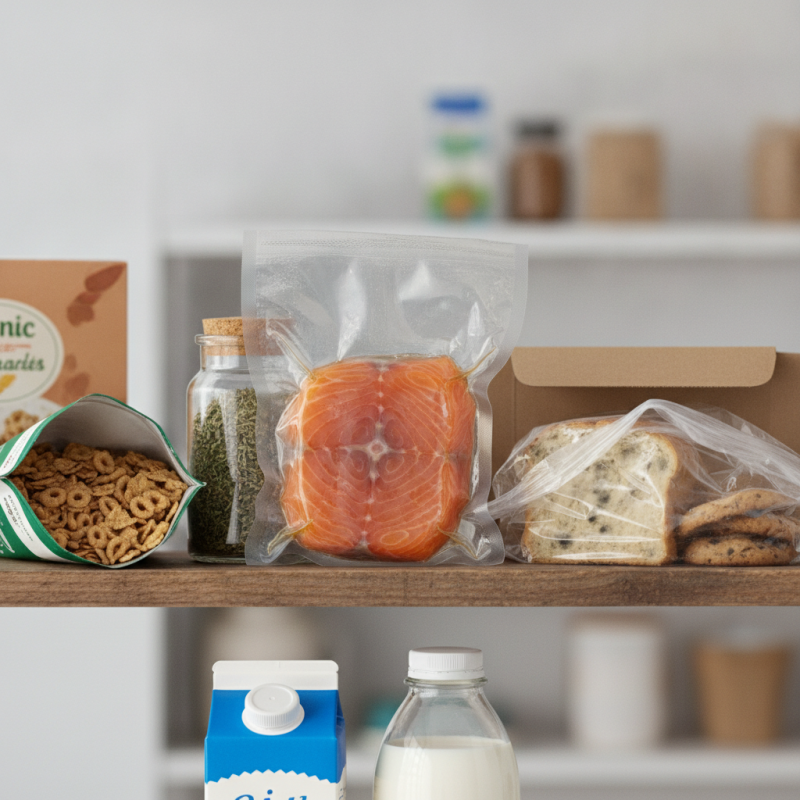
Understanding the Role of Packaging in Product Preservation
Packaging plays a vital role in product preservation. It serves as the first line of defense against environmental factors like light, humidity, and oxygen. According to a report by the Food Packaging Forum, proper packaging can extend shelf life by up to 50%. This is crucial for maintaining the quality and safety of food products.
Materials matter significantly. For example, vacuum-sealed packaging can reduce spoilage by limiting exposure to oxygen. Additionally, light-blocking packages help prevent nutrient degradation. Consumers should pay attention to seals and expiration dates. A compromised seal can lead to bacterial growth, even if the package appears intact.
Here are some tips for buyers:
- Choose opaque or dark packaging to protect from light.
- Check for airtight seals to ensure proper preservation.
- Consider the packaging type when comparing products.
Understanding these elements can lead to better purchasing decisions. Consumers often overlook packaging details, which directly impact product quality. Making informed choices could lead to longer shelf life and reduced waste.
Materials Used in Packaging and Their Impact on Shelf Life
Packaging plays a crucial role in extending a product's shelf life. The choice of materials used can significantly affect how long a product stays fresh. For instance, materials like glass and metal provide excellent barriers against moisture and air, which can spoil food. On the other hand, biodegradable packaging may not offer the same level of protection but appeals to environmentally-conscious consumers.
Another factor to consider is the thickness of the packaging. Thicker materials can better shield products from external elements. However, heavier packaging may deter some buyers due to added costs and environmental concerns. Striking a balance between protection and sustainability is essential.
Tips for buyers: Always check the packaging type before making a purchase. Look for vacuum-sealed options, which can dramatically reduce spoilage. Additionally, seek information on the packaging's material. This helps in making informed choices. Your awareness of these elements can lead to a better understanding of how packaging influences shelf life.
The Importance of Seal Integrity in Food Packaging
Seal integrity is crucial for food packaging. A proper seal protects the contents inside from air, moisture, and contaminants. When the seal is compromised, food can spoil faster. Even tiny gaps can allow bacteria and spoilage agents to enter. This can lead to waste and potential health risks.
Factors affecting seal integrity include temperature changes and mechanical stress during shipping. For instance, extreme heat can weaken seals. Handles or rough handling during transportation might also cause damage. Buyers should check packaging carefully. Look for any signs of broken seals or air pockets. This can be a clear indicator of compromised quality.
Consumers often overlook the importance of seal integrity. Many might choose a product solely based on appearance. However, it's essential to consider packaging quality. A well-sealed product ensures freshness and safety. Reflecting on these aspects can enhance buyer confidence. Ultimately, understanding packaging leads to better choices in food safety.
How Packaging Influences Product Shelf Life Tips for Buyers
| Packaging Type |
Seal Integrity |
Estimated Shelf Life (days) |
Tips for Buyers |
| Plastic Pouches |
High |
30-60 |
Check for airtight seals; avoid punctures. |
| Glass Jars |
Moderate |
90-180 |
Inspect seal integrity; look for signs of spoilage. |
| Cardboard Boxes |
Low |
7-14 |
Ensure proper sealing; store in cool, dry places. |
| Vacuum-Sealed Bags |
Very High |
180-365 |
Look for tight seals; avoid exposure to air. |
| Tin Cans |
High |
180-240 |
Check for dents and leaks; store in a cool place. |
How Packaging Design Affects Exposure to Environmental Factors
Packaging design plays a crucial role in extending a product’s shelf life. It shields items from environmental factors such as light, moisture, and oxygen. According to the Food Packaging Forum, improper packaging can lead to a 20% loss in product viability. This emphasizes the importance of selecting the right design for optimal protection.
Innovative packaging materials can significantly reduce spoilage. For example, vacuum-sealed options can limit oxygen exposure, enhancing freshness. Research by the American Institute of Packaging highlights that products in protective packaging can last up to 50% longer. This showcases how design decisions influence product longevity.
Tips: Always choose products with airtight sealing. Inspect packaging for any damage before purchase, as compromised packages can lead to quality loss. Consider environmentally friendly options that also offer durability, as sustainability is increasingly becoming a priority for consumers. Not all packaging is created equally, so take time to understand how design affects what’s inside.
Best Practices for Consumers to Choose Products with Optimal Packaging
When shopping for products, packaging plays a key role in their shelf life. Look for vacuum-sealed packages. These often extend freshness by limiting exposure to air. Check for resealable bags. They can help keep items fresh once opened. Transparent packaging is also beneficial. It allows you to assess the product's condition before purchase.
Pay attention to expiration dates. Properly labeled items give insight into shelf life. Products in cardboard might have different longevity compared to those in plastic. Consider items stored in dark packaging. They often block light, which can affect quality. Always inspect for any signs of damage or improper seals, as this can impact freshness.
Sometimes, the best packaging is not what it seems. Overly complex designs may signal potential issues. Remember, even well-packaged items can spoil. Your senses are a reliable guide. Trust your smell and sight when assessing products. Picking items carefully can lead to better choices. Your awareness of packaging can greatly influence your shopping success.
Conclusion
The article titled "How Packaging Influences Product Shelf Life Tips for Buyers" explores the crucial role that packaging plays in preserving product freshness and longevity. It emphasizes how does packaging affect product shelf life by examining the materials used, such as plastics and metals, which can significantly impact the shelf life of the contents. The integrity of seals in food packaging is highlighted as a key factor in preventing spoilage and contamination, ensuring that products remain safe and nutritious for consumers.
Additionally, the design of the packaging can influence exposure to environmental factors like light, oxygen, and moisture, all of which can degrade product quality over time. To make informed purchasing decisions, consumers are advised to look for best practices in packaging that indicate optimal preservation capabilities, supporting their overall health and well-being while minimizing waste through smarter choices.

 Ariqa Fashion